


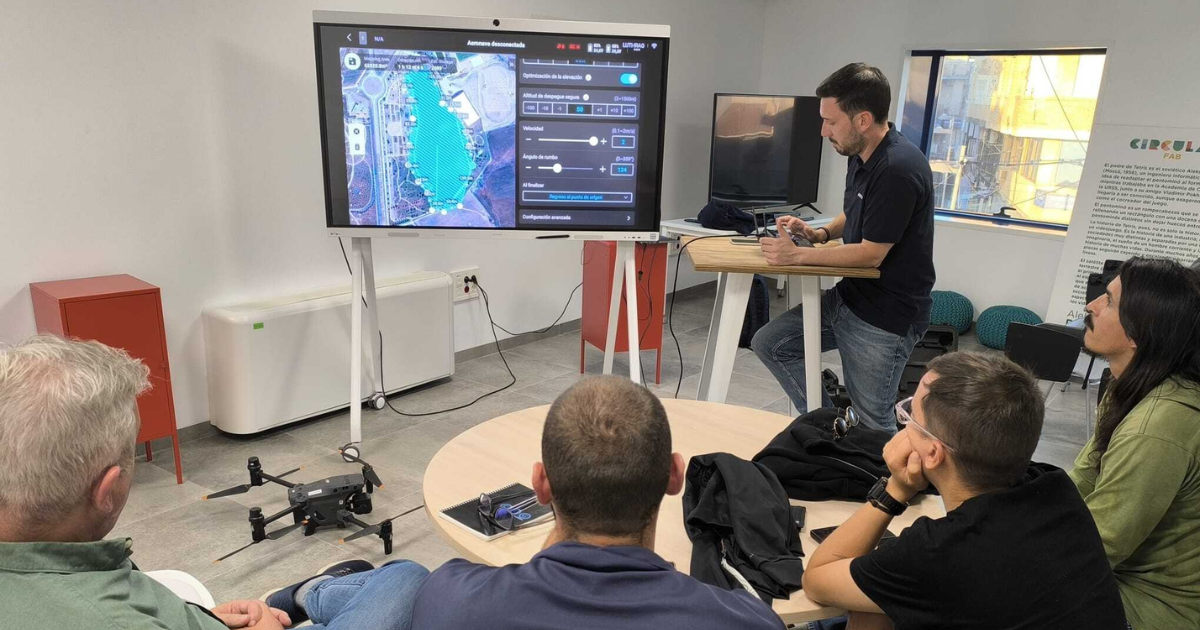
The European STS beyond regulations
In practice, the European STS acts as an operational framework. It defines how missions should be considered, what level of prior analysis is necessary and how documentation is structured.
This involves a clear change:
- Less improvisation
- More planning
- Greater coherence between flights, pilots and operations
For pilots and companies, it means working under a common standard that provides stability and predictability.
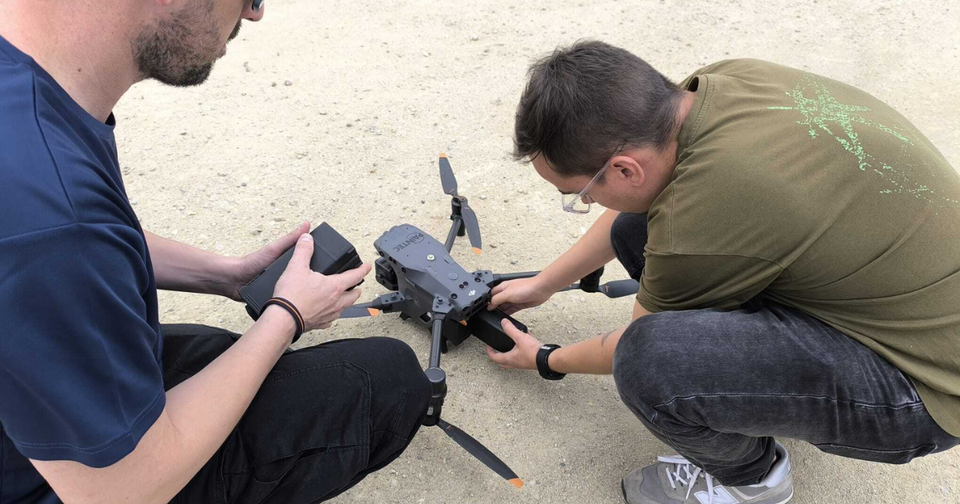
Practical application of the European STS in flight planning
Before taking off, the European STS requires more structured planning that translates into clear operational decisions:
- Precise definition of the operating scenario
- Assessment of the environment and airspace
- Identifying real risks
- Establishment of consistent procedures
This approach reduces incidents and facilitates the repetition of similar operations with homogeneous criteria.
What changes in the execution of the operation
During operation, the European STS directly influences how it is flown and how decisions are made:
- Strict compliance with the operational limits of the STS scenario
- Actual application of defined procedures
- Increased operational discipline across the team
For companies, this translates into more controlled and auditable operations. For pilots, in clearer and better defined flights.
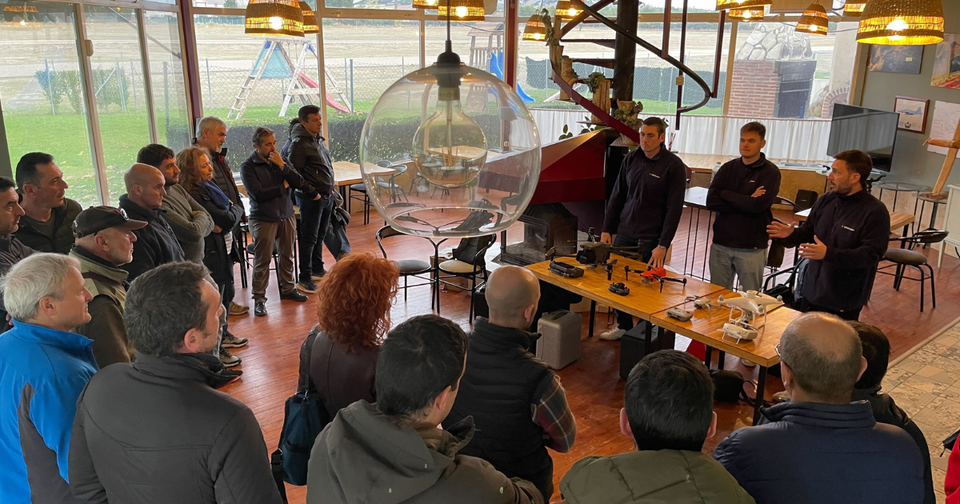
Documentation and traceability: a key point
One of the great practical changes of the European STS is the importance of operational documentation.
It's not about generating meaningless roles, but about:
- Justify how the mission was planned
- Leave traceability of the decisions taken
- Facilitate internal or external reviews
This traceability is especially relevant for companies that work with corporate or institutional clients.
Impact of the European STS on professional pilots
For the pilot, the European STS means:
- Greater clarity on how and when you can trade
- Better criteria for evaluating risks
- Less reliance on ambiguous interpretations
The pilot stops reacting to the regulations and goes on to integrate them into their usual way of working.
Impact of the European STS on companies and operators
From a business point of view, the European STS allows:
- Standardize procedures between different pilots
- Scale operations without losing control
- Present stronger operations to customers
The European STS thus becomes a management tool, not just a legal requirement.
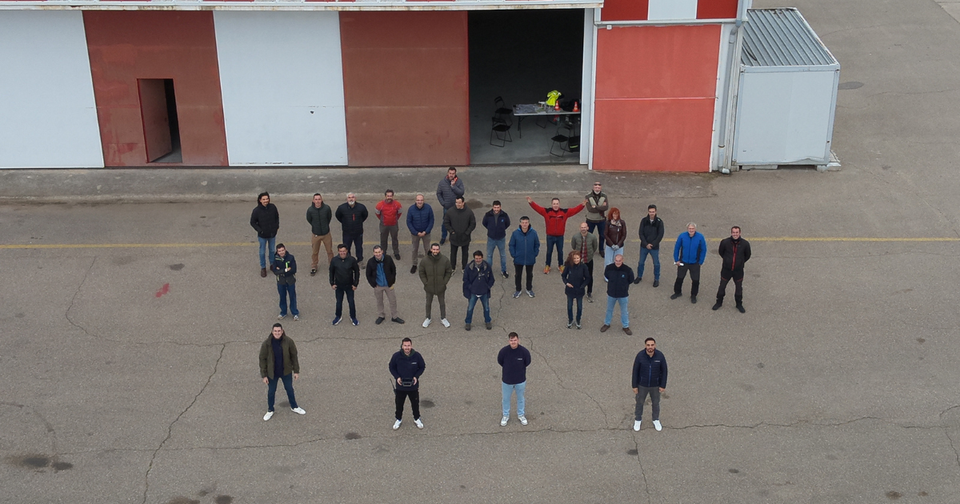
Cases where European STS provides greater value
The value of the European STS is especially appreciated in:
- Recurring operations
- Long-term projects
- Continuing Professional Services
- Environments where security and traceability are critical
In these scenarios, working under European STS reduces friction and improves operational efficiency.
The European STS as a common working standard
Increasingly, the European STS acts as a common language between pilots, companies and customers. It makes it easier to understand how it operates and under what criteria.
Adopting it consciously allows:
- Trading with greater foresight
- Reduce operational risks
- Better prepare for future regulatory changes
Conclusion
The European STS is not limited to defining what is allowed, but how to operate professionally with drones.
For pilots and companies, understanding their real application makes the difference between complying with regulations and working with judgment, stability and long-term vision.


